
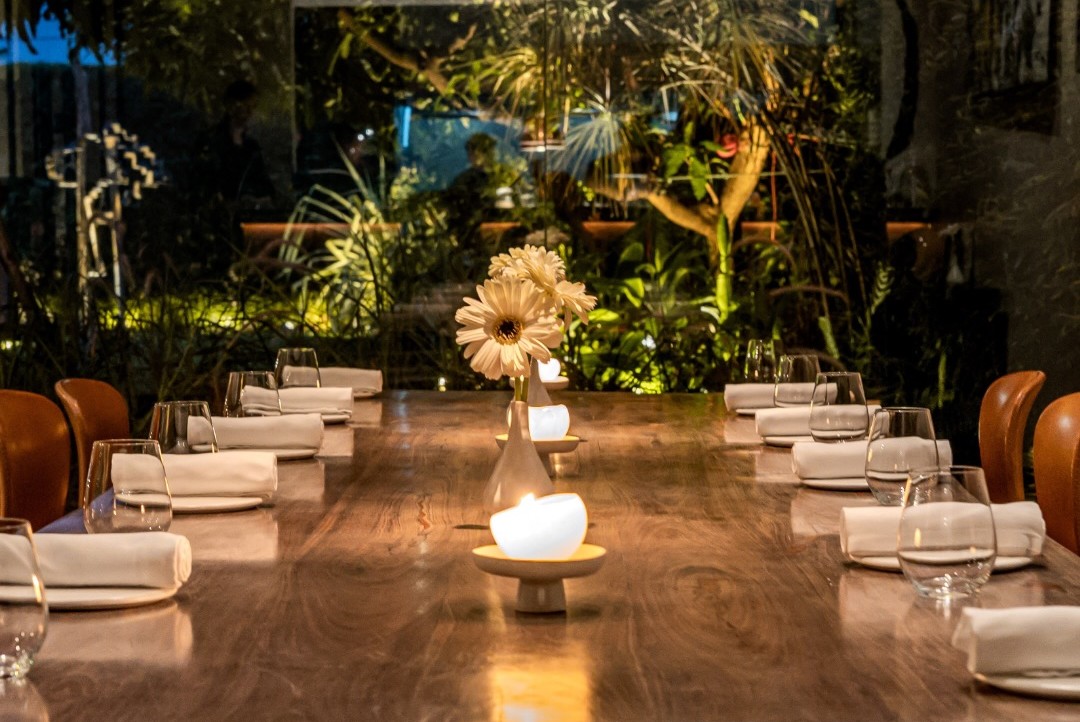
Winner: Clara
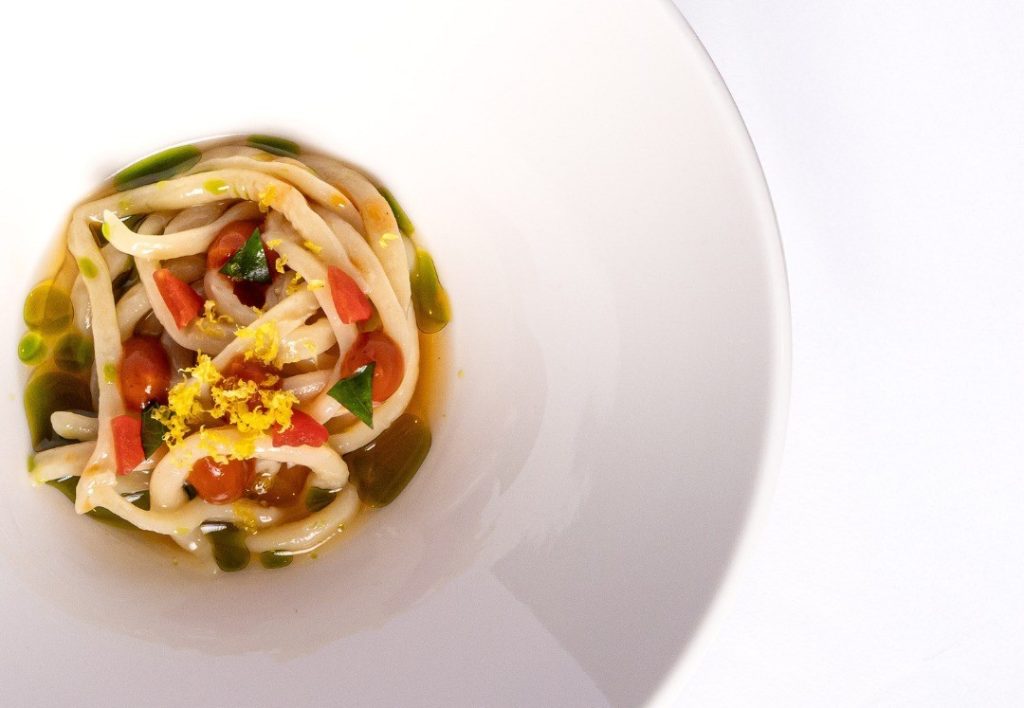
With its seasonal tasting menus that honor Italy’s roots while focusing on balance, precision, and innovative interaction, Clara’s cuisine is a thoughtful reimagining of Italian tradition. The menu features dishes that are balanced for texture, acidity, and aromatic layering, such as gindara black fish with white miso sabayon, Japanese Wagyu loaded with beetroot and smoked chestnut, and smoked eel with balsamic and sea scallops in Mediterranean ponzu. Classic Italian motifs are elevated without sacrificing clarity or legacy through the use of local Thai ingredients and modern techniques like umami-rich broths and sophisticated reductions. With a focus on emotion, memory, and seasonality rather than fusion, this contemporary Italian expression is well-balanced and structured, producing tastes that are harmonic and sophisticated.
Acqua
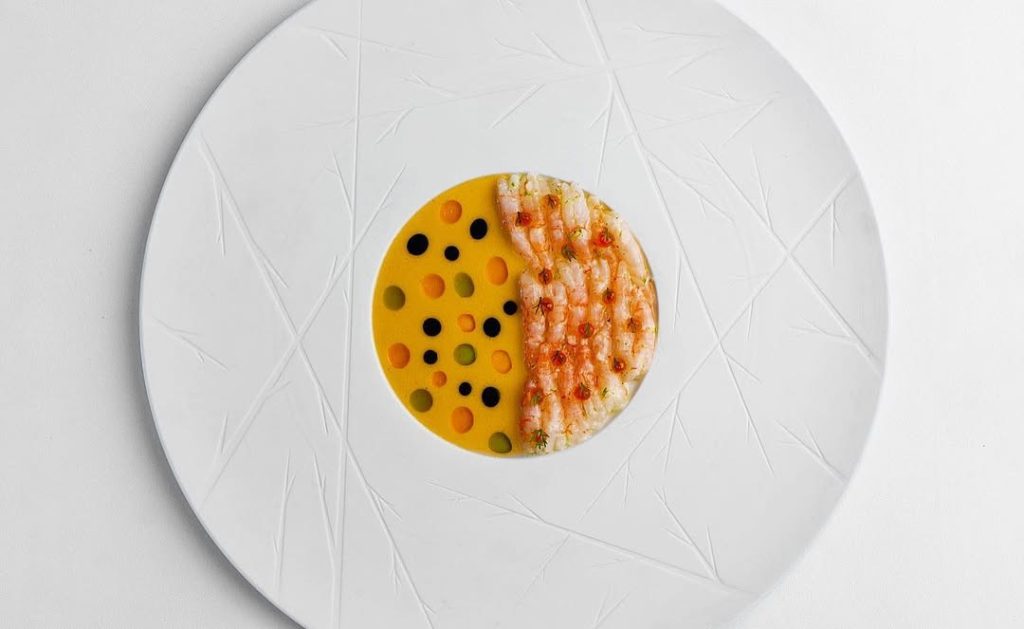
Acqua takes a distinct seaside perspective to Italian cookery, emphasizing Sardinia and southern Italy. The meal has a distinct feeling of regionality rather than a general Italian profile because the menu is based on carefully selected ingredients, such as Sicilian red prawns, Pecorino Sardo DOP, Pantelleria capers, Sardinian bottarga, and long-aged balsamico. The highlight is the raw seafood, which is simply seasoned with lemon, sea salt, and olive oil to bring out its inherent sweetness and texture. Common methods for introducing light smoke without dominating the main ingredient include grilling and gently roasting. Technical mastery is evident in the risotto made with aged Carnaroli rice and handmade pasta, but the overall aesthetic is straightforward and clean, emphasizing high-quality ingredients, well-balanced seasoning, and authentic Mediterranean flavors.
Sartoria by Paulo Airaudo
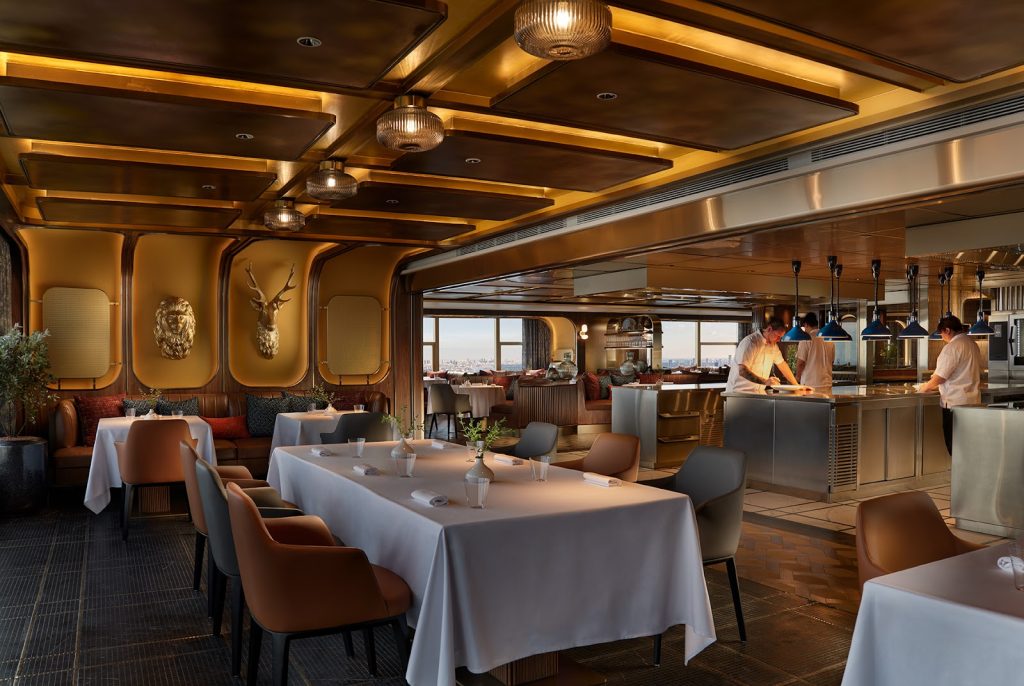
Satoria preserves the classical underpinnings of Italian food while interpreting it with a modern tasting-menu structure. Whether it’s delicate tortelli or firm tagliolini, pasta doughs are designed for texture, and sauces frequently use reductions that amplify the flavors of wine, stock, and aromatic herbs. The use of butter, mountain cheeses, and game exhibits Northern Italian origins, but the presentation is elegant and contemporary. Adding depth through fermentation and aging procedures gives classic elements a subtle edge without sacrificing their uniqueness. The menu’s structure is shaped by the seasonal food, with vegetables serving as main ingredients rather than as garnish. Craftsmanship, accurate technique, rich umami, and a conversation between traditional recipes and modern culinary techniques defines Sartoria’s Italian identity.
Hey there, You have done a fantastic job. I will definitely digg it and for my part suggest to my friends. I am sure they will be benefited from this website.