
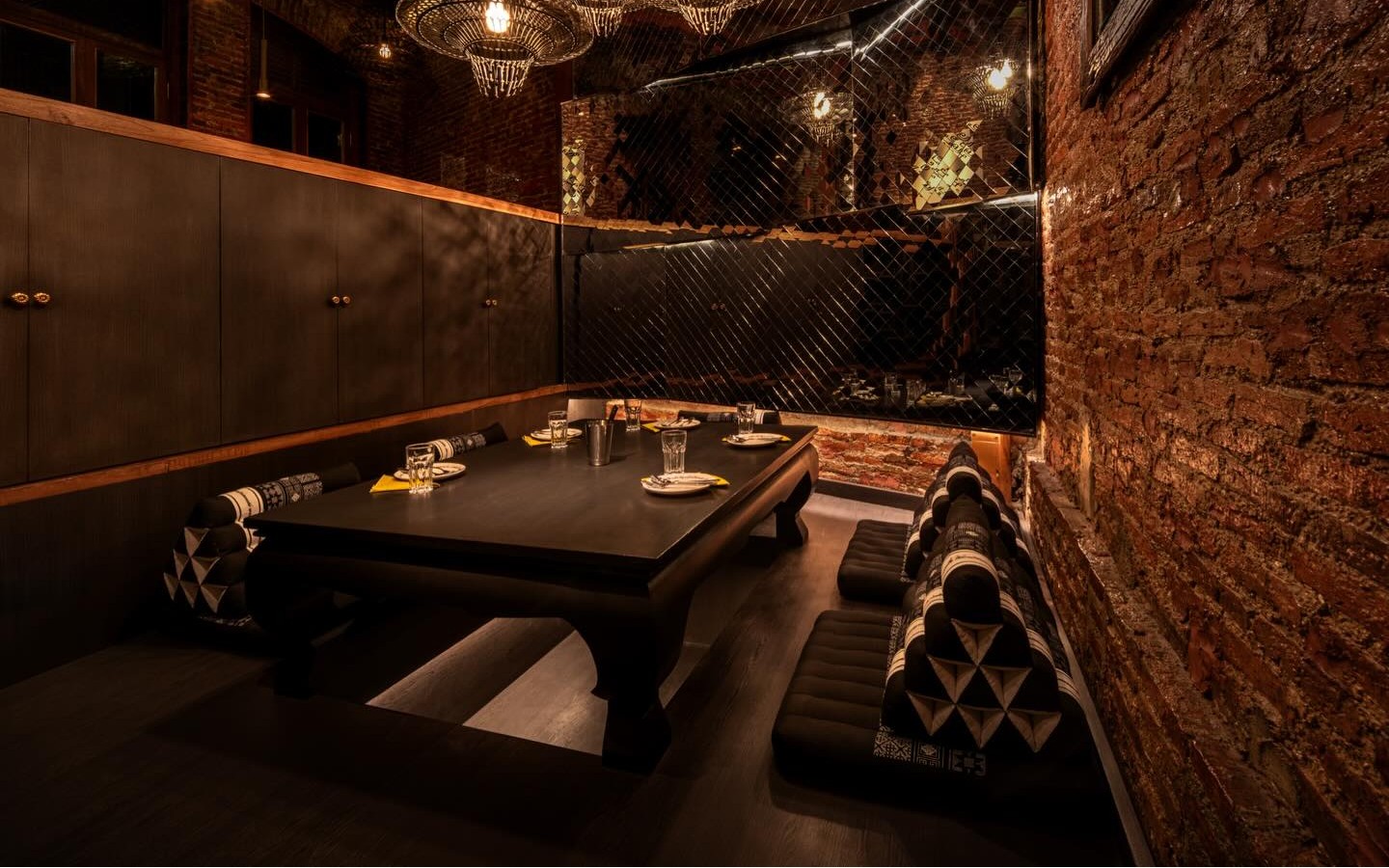
Bangkok’s dining scene moves fast. It’s a competitive industry, and that’s fueled a dynamic field of some of the best restaurants in the world. This year has been a big one for Thai cuisine in particular. Some of the world’s finest minds are converging on Bangkok, and there’s never been a better time to be a Bangkok foodie.
Winner: Khao San Sek
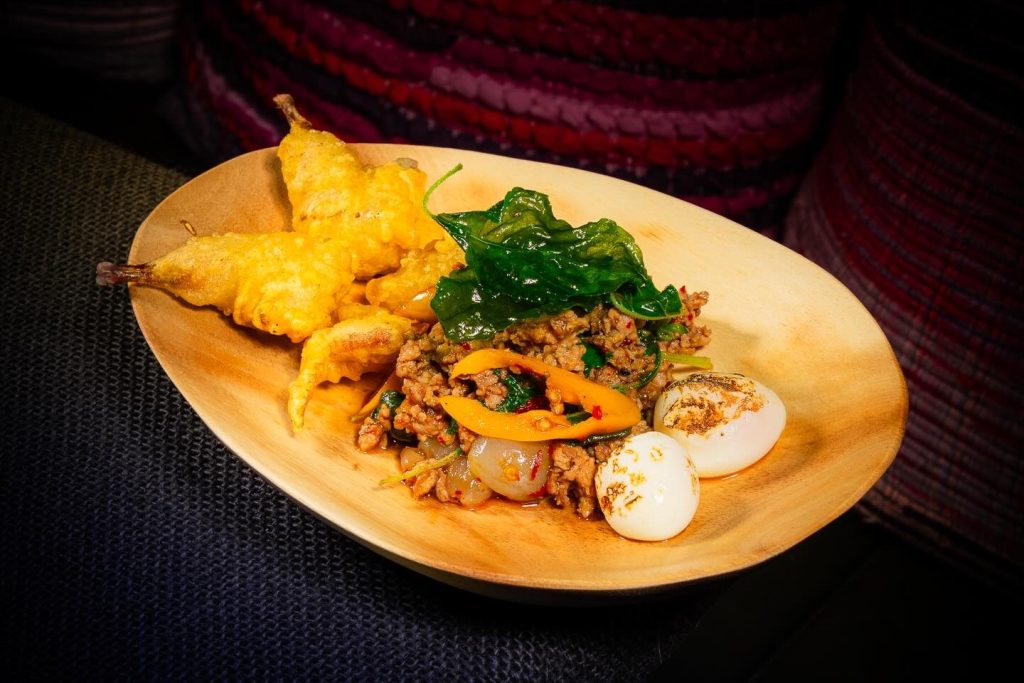
Led by Chef Pam, Khao San Sek is a masterclass in Thai food. The sacred ingredients of rice, chili, coconut, fish sauce, and palm sugar are center stage at the year’s most exciting opening. The name itself plays on the notion of sacred rice, symbolizing a journey to the very core of Thai identity. This isn’t just dinner; it’s a curated exploration of “sacred” ingredients sourced meticulously from across the kingdom. Expect a sophisticated reinterpretation of tradition where fish sauce provides soul, chili offers fire, and palm sugar creates balance.
Namsu
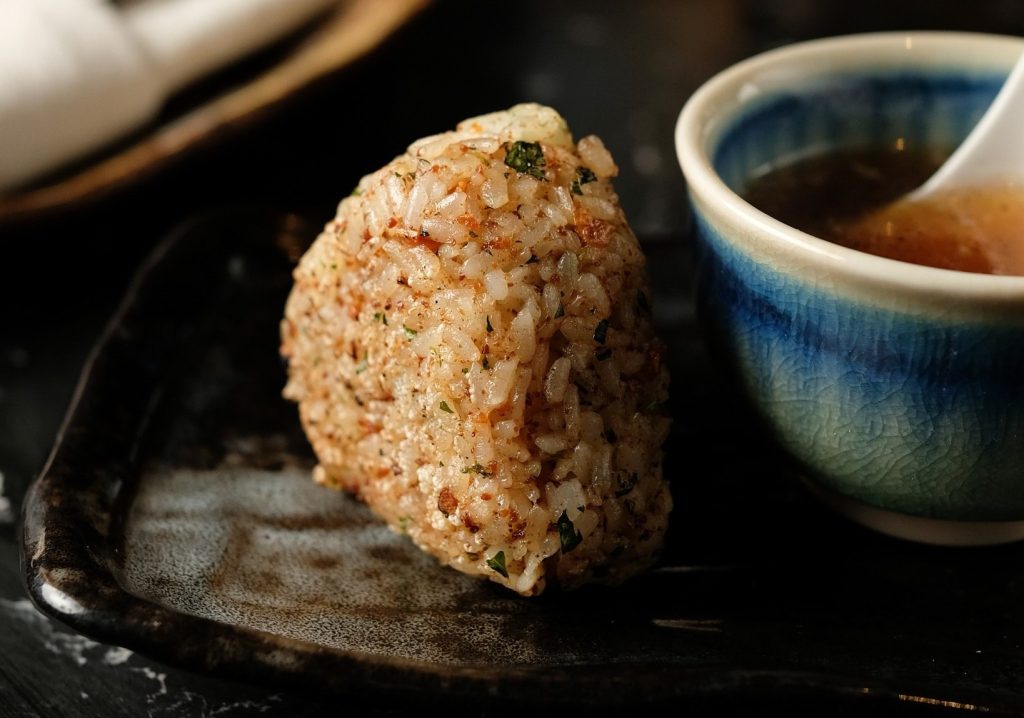
Recently announcing its relocation above Rangoon Tea House, this is where the Golden Triangle meets Japanese drinking culture. Driven by Chef Honey Rae Zenang’s Shan heritage and Tokyo training, the menu celebrates the bold, fermented flavors of the Burma-Thai-Yunnan borderlands. Beyond the food, Namsu boasts one of Bangkok’s most extensive sake lists, curated to pair perfectly with the kitchen’s herbal and spicy profiles.
I-sang
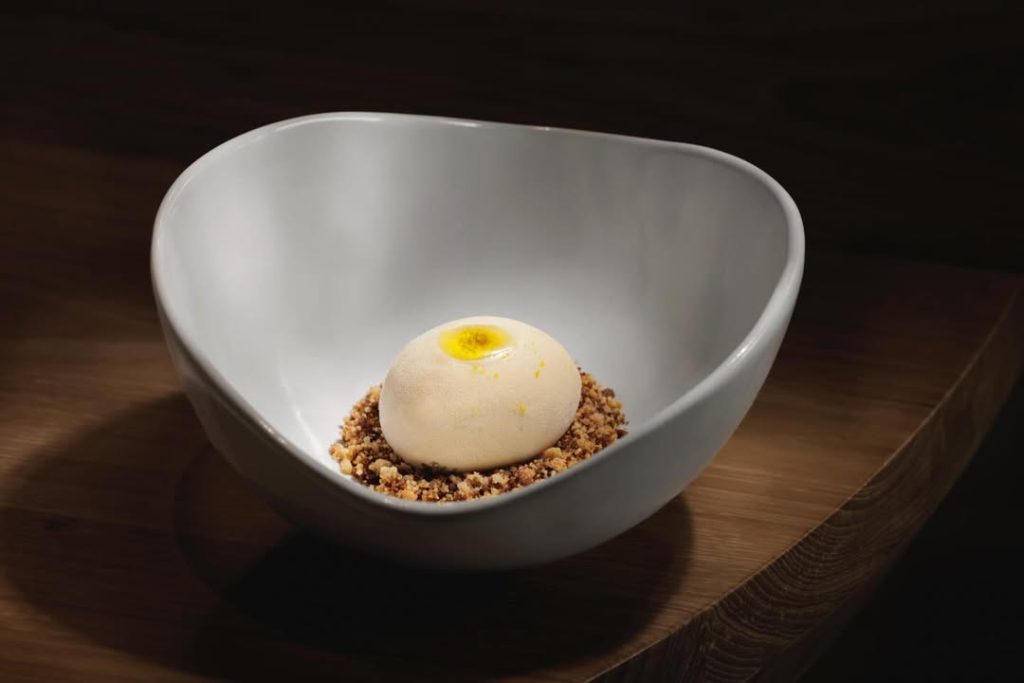
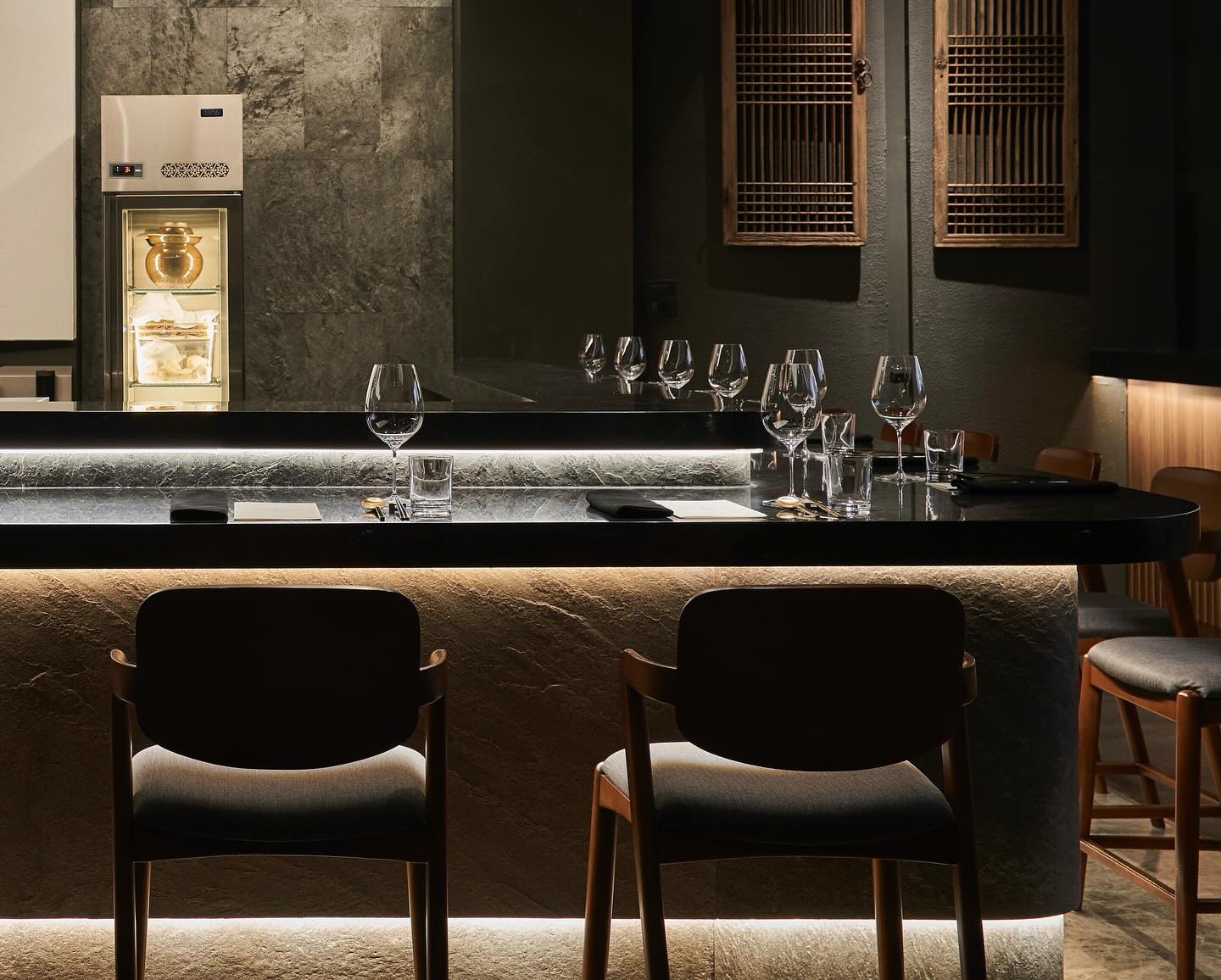
At I-sang, Chef Steve Sanggun Lee’s pursues culinary balance. After earning a Michelin Star at Hong Kong’s Hansik Goo and the 2023 Michelin Young Chef Award, Chef Steve brought his refined vision to Bangkok, blending Korean soul with Thai style. The space is a minimalist’s dream, all taupe tones and natural light, providing a serene backdrop for a tasting menu that uses local Chiang Rai rice and Thai seafood to tell Korean stories. From the vibrant naengchae to the comforting perilla oil guksu, every dish is a dialogue between cultures. Don’t miss his “crispy crab,” a witty, high-end riff on Korean fried chicken that perfectly captures the restaurant’s sophisticated yet playful spirit.
Si Sawat
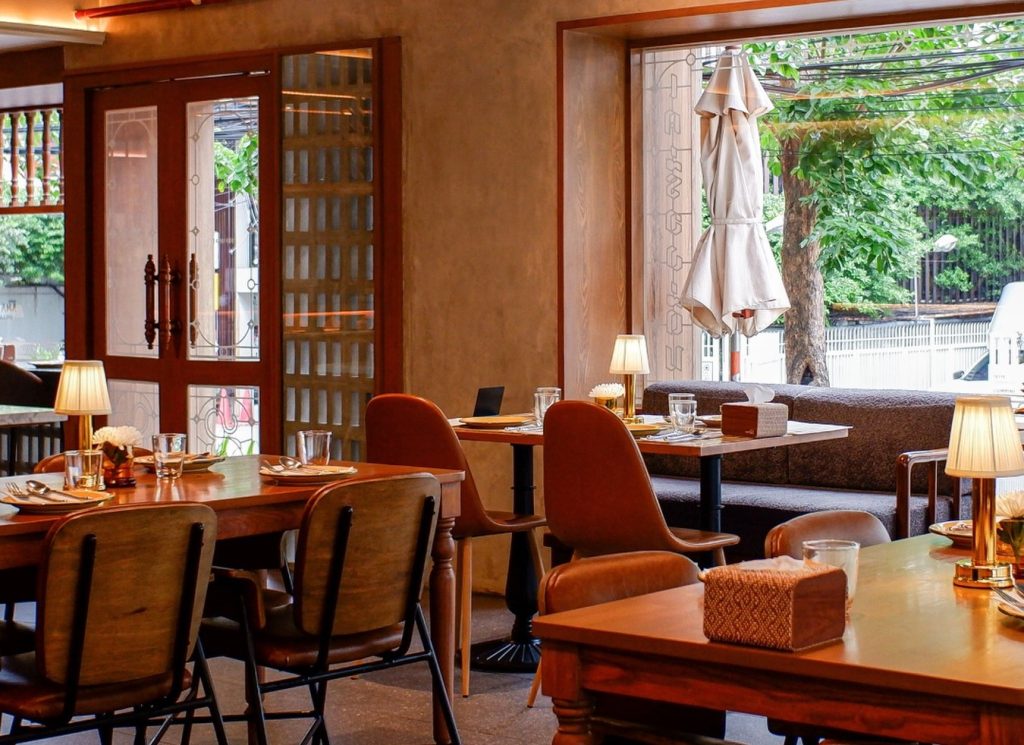
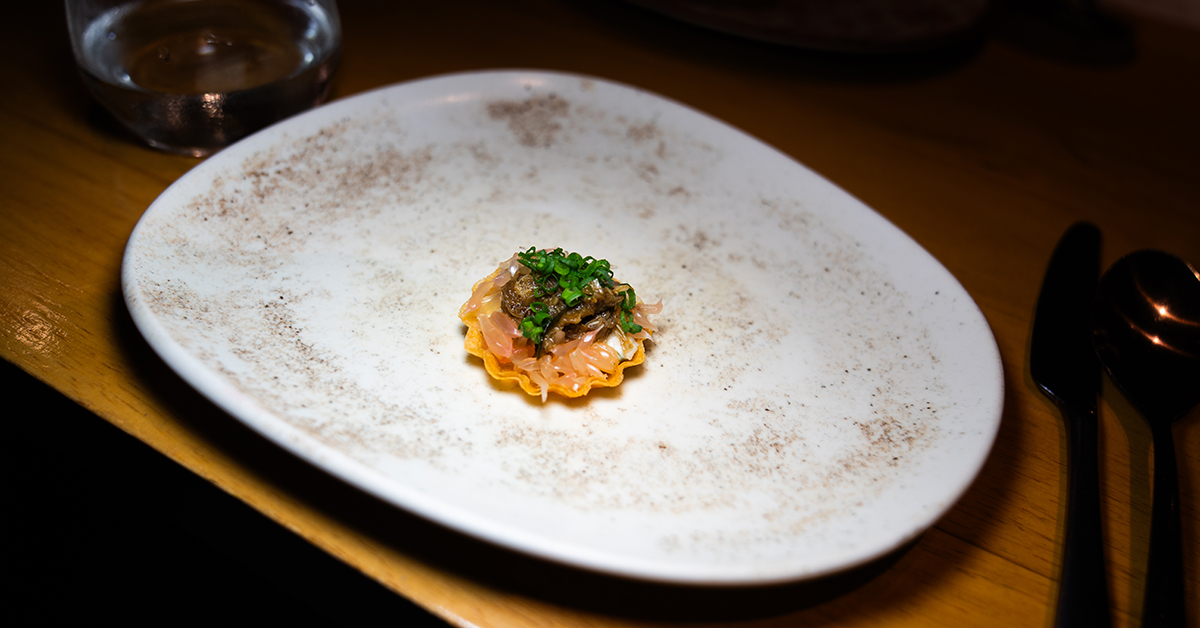
Si Sawat reimagines Thai heritage with a playful, contemporary edge, drawing inspiration from the ancient grace of the Si Sawat cat. The menu excels in sophisticated sharing plates, such as the must-try thong muan pu son klin, a coconut wafer crab puff that packs a punch. Other standouts include the unique bitter neem salad with grilled catfish and a rich beef tongue curry.The restaurant offers a soulful, high-energy dining experience anchored by exceptionally accommodating service.
Lawoi
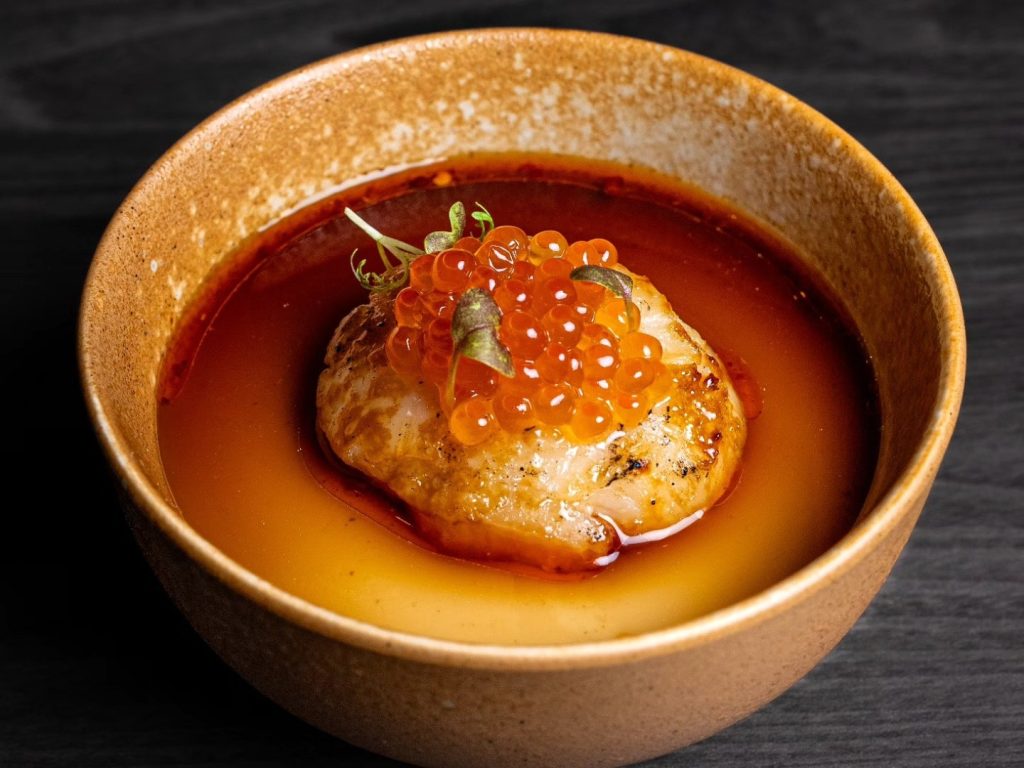
Lawoi is a “Fisherman’s Cave & Sake Bar” from May Jirutta (wife of the renowned Chef Ton). The name means “sea” in the Urak Lawoi language, a nod to the southern fishing communities that provide the restaurant’s daily-changing bounty. There is no printed menu here; instead, diners look to the chalkboard to see what’s fresh, from aged Thai fish sashimi to smoky grilled red grouper. Signature plates like the crab fat pasta and scallop-crab baked rice pair perfectly with their serious sake program. Pet-friendly and high-energy, it’s a spot where you can casually pop in for a glass and a grilled catch, making Southern Thai seafood feel both effortless and exciting.
Somsak
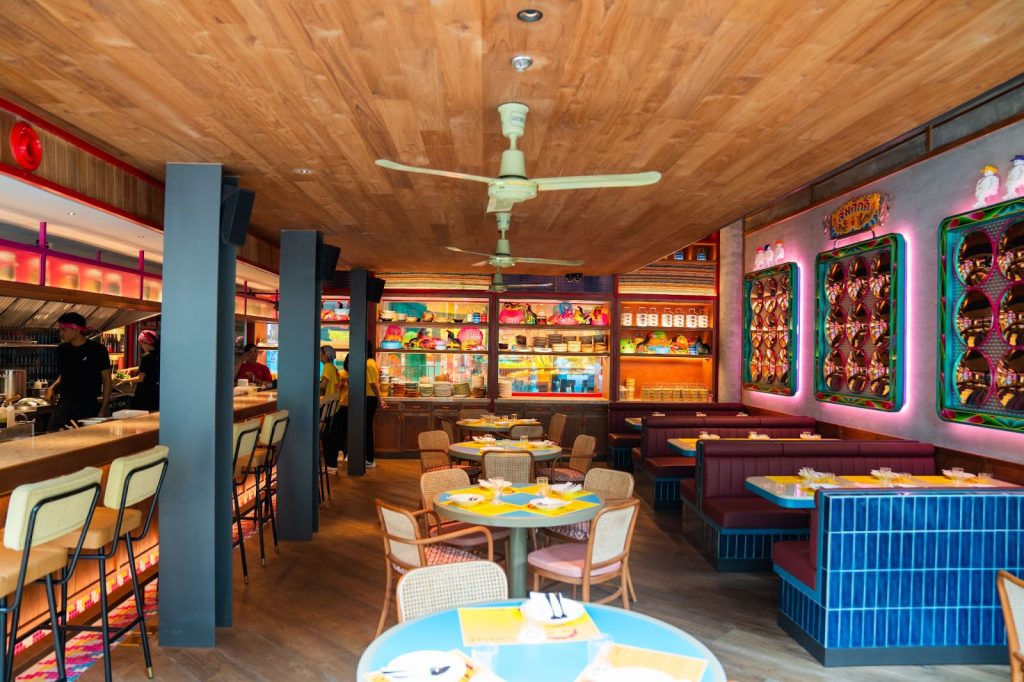
From the playful minds behind Fatboy Izakaya comes Somsak, an Ekkamai hotspot that turns Isaan dining into a high-energy celebration. The space is built around the fictional P’Somsak – a Bangkok cabbie who struck it rich in Scotland – resulting in a kitschy, “rural-meets-OTT” decor of lottery mosaics and fighting roosters. Chef Andrew Martin delivers bold, unapologetic heat through creative plates like the “jaew-vocado” (hanger steak with avocado jaew bong) and the Son of Elgin, a rice-washed Negroni served defiantly in a pint glass. Whether you’re crunching on “Esarn Popcorn” (fried crickets) or mopping up aromatic seafood butter with prawns, the vibe is loud and the prices are approachable. It’s a masterclass in upscale Thai-centric dining that refuses to take itself seriously.
Cannubi by Umberto Bombana
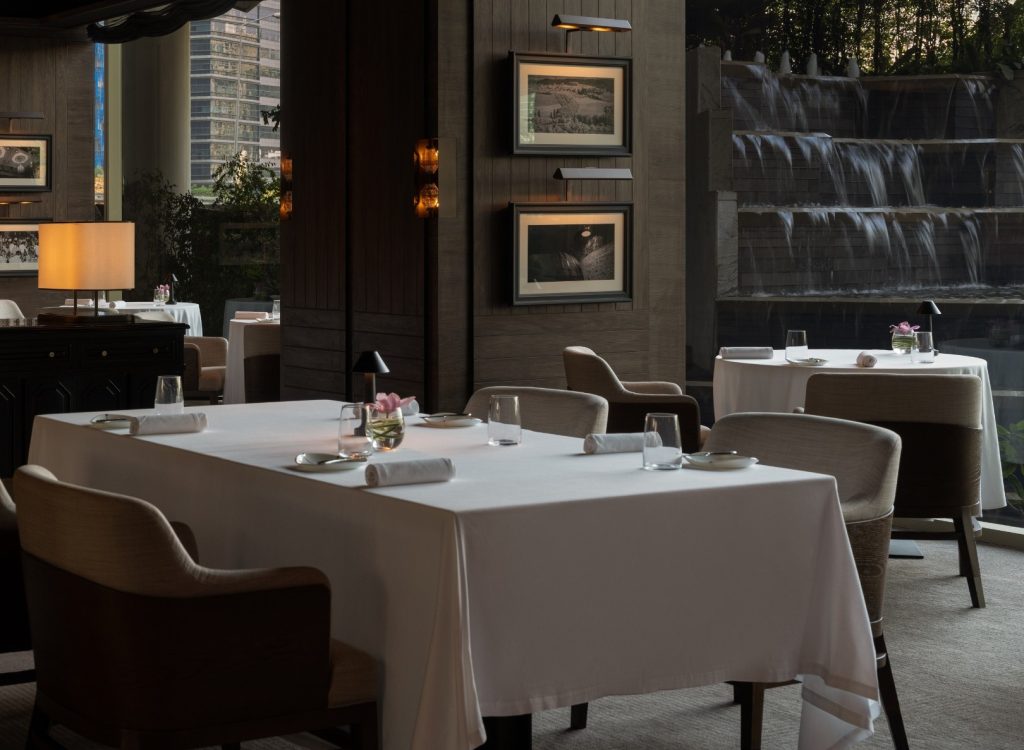
Located at the prestigious Dusit Thani Bangkok, Cannubi by Umberto Bombana, named after the legendary Barolo hill in Piemonte, brings the vision of the “King of White Truffle,” Umberto Bombana, to life through Executive Chef Andrea Susto. The cuisine is a sophisticated marriage of classical Italian roots and modern precision, highlighting the finest seasonal bounty. Whether enjoying a concise lunch or the full dinner tasting experience, guests are treated to a masterclass in culinary balance.
Etcha
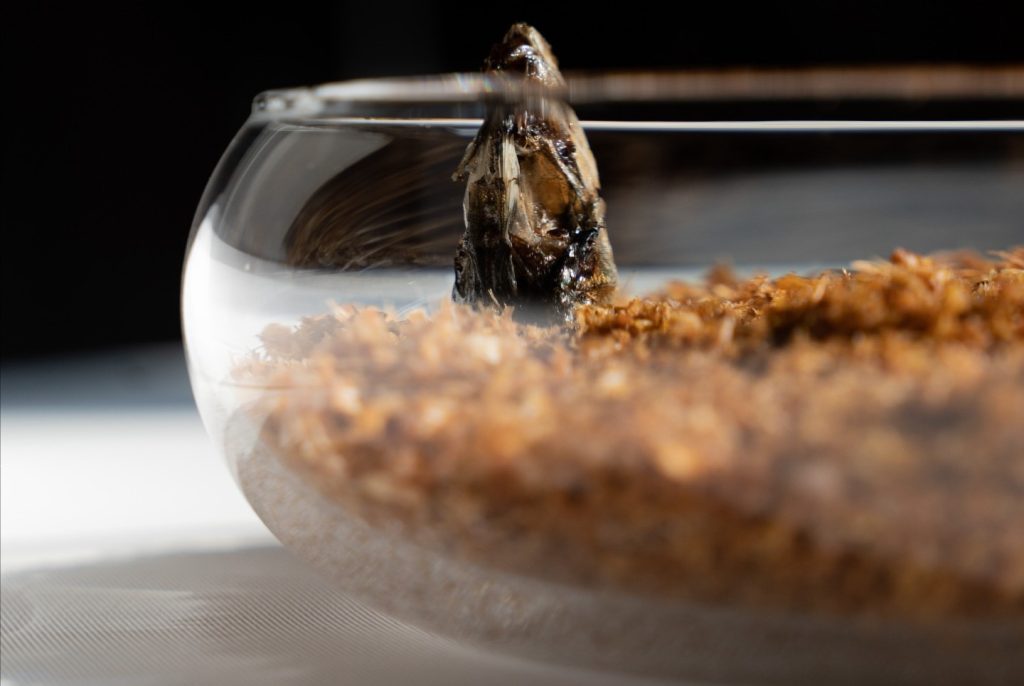
Perched on the 7th floor of Chatrium Grand Bangkok, etcha is a “borderless dining” destination that recently secured its first Michelin Star in 2026. Chef Giacomo Primante, veteran of three-star icons like Mirazur and DiverXO, leads a kitchen that rejects labels to focus purely on the essence of the ingredient. Through the 360° and 180° tasting menus, Giacomo fuses refined European techniques with local Thai bounty, resulting in daring standouts like Thai white asparagus with beurre blanc and white chocolate. The taupe-toned space exudes understated luxury, featuring golden cutlery and handmade pottery.
Bo.lan (return)
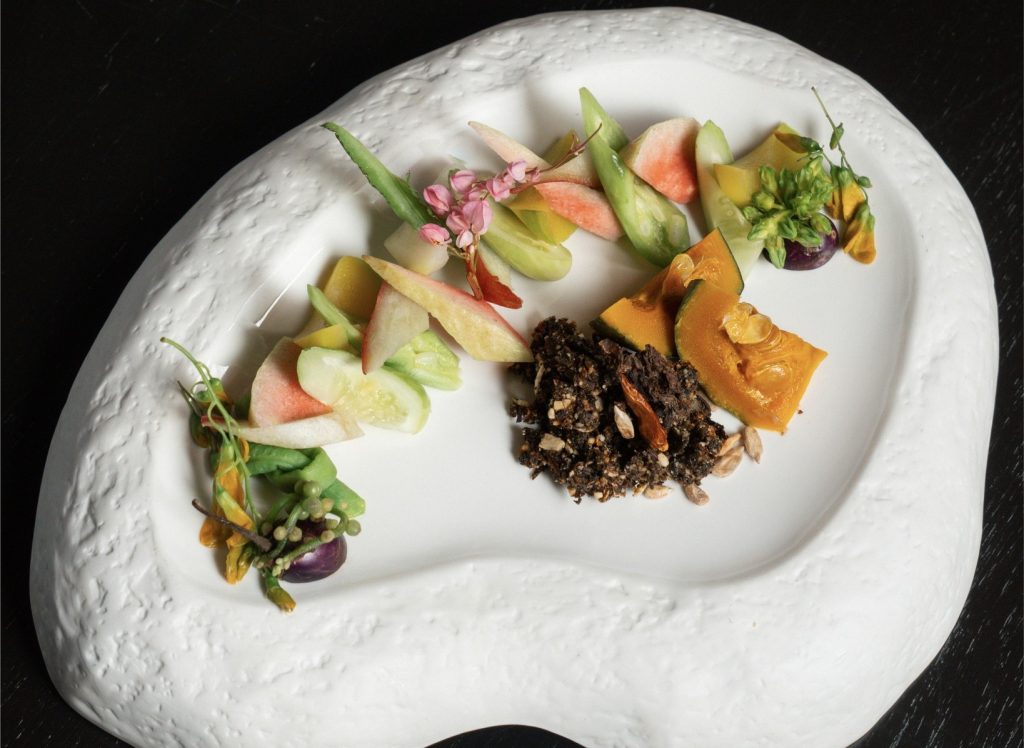
A pioneer of sustainability and heritage, Bo.lan has returned to Sukhumvit 53 after a three-year hiatus. Founded by Chef Duangporn “Bo” Songvisava and Chef Dylan Jones, the restaurant is a love letter to “ancient” Thai recipes and zero-carbon ethics. Set in a rustic wooden house, the experience centers on the samrub, a traditional sharing style where soups, curries, and relishes arrive simultaneously to create a harmonious family-style feast. From Isaan cured fish to 19th-century chili jams, the menu elevates rare, bio-diversified produce sourced directly from small-scale farmers. This Michelin-starred institution continues to prove that historical culinary wisdom, when paired with modern environmental responsibility, remains the gold standard for Thai fine dining.
Arloy
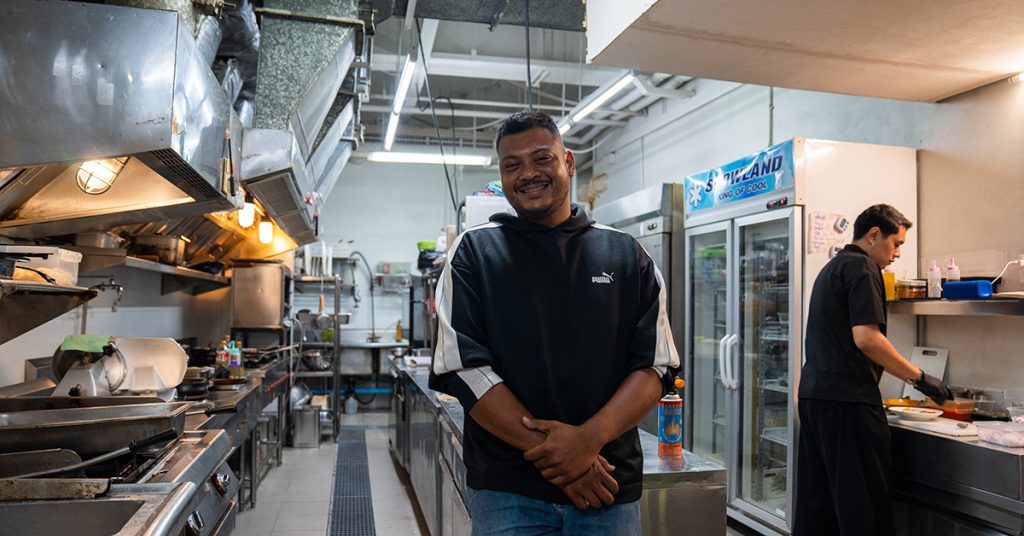
Chef Vishnu “Bank” Prempuk broke our little hearts in 2024 when he shut down Aromkwan, the unpretentious eatery that blew Bangkok away with some of the best meat in town. He’s officially back with Arloy in Silom. The theme is based around Uncle Loy, a fictional American named Dickson Loyd who—via the photos on the wall—lived the American dream for the majority of his life and in his dotage came to Thailand and, well, started to really live, as they say. There you have the concept: Asian meets Americana. Chef Bank doesn’t do things by half measures; you’ll find a full biography in the menu and a fake New York Times article on the wall.
I like this post, enjoyed this one thanks for posting. “No trumpets sound when the important decisions of our life are made. Destiny is made known silently.” by Agnes de Mille.